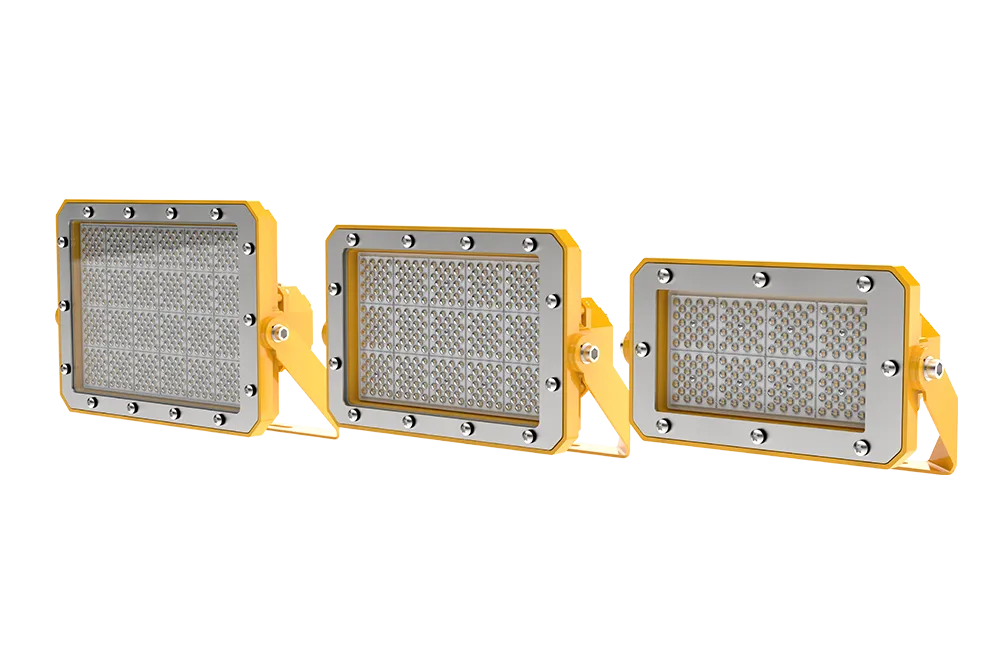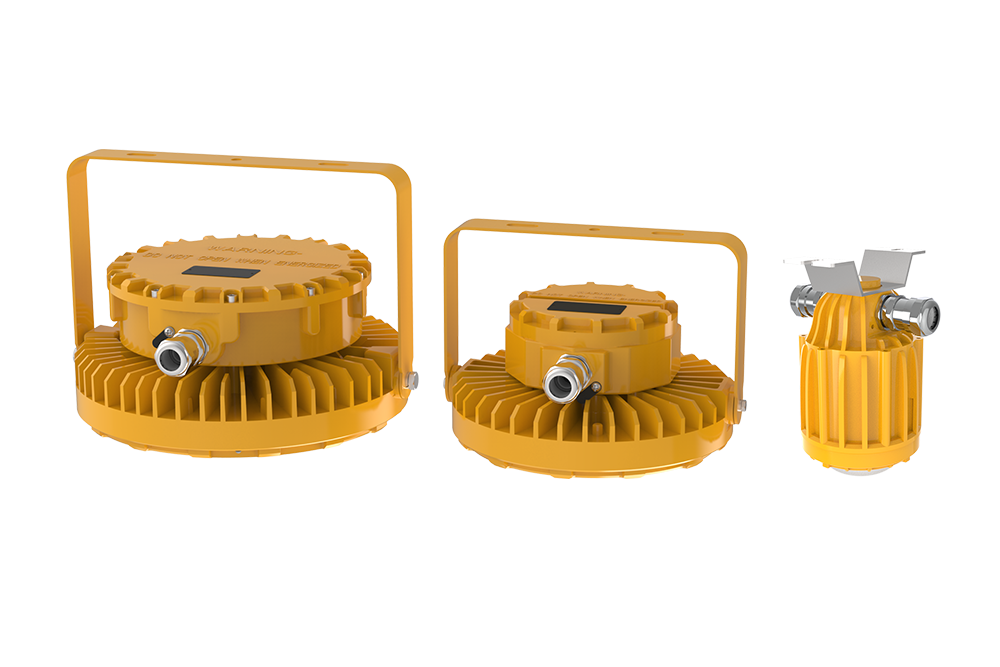
Commencing the article explores the solutions pertaining to hazard-resistant illumination alongside construction areas.
Functioning appropriately around perilous places particularly pharmaceutical facilities involves engineered tools intended to reduce possible emergencies. Ignition-safe lights are paramount components in corresponding sites, produced to endure sparks, ignitable gases, and flammable airspaces. Multiple components are not fundamentally risk-free; in contrast they are assembled to encapsulate any contained electric burst or ignition and inhibit it from igniting a more extensive ignition in the nearby region. This manual supplies fundamental facts about explosion-proof devices, their applications, and risk management matters for installing them safely.
Interpreting Explosion Proof Lighting Standards
Managing particular flammability-rated lighting standards can be complicated, especially about industries handling hazardous conditions. These requirements – often stemming from regional bodies namely the National Electrical Regulation (NEC), ATEX (Europe), and IEC – specify exact design and application practices to mitigate the danger of combustion from energized machinery. Understanding referenced standards is critical for ensuring employee safety and conformity with mandatory orders.
Electroluminescent Spark Proof Lighting Devices: Performance & Protection
Electroluminescent ignition-proof illumination devices demonstrate a important growth over previously used arc equipment in environments where combustible gases are present. These durable devices not only deliver noteworthy reduced energy consumption, meaning reduced expenses, but importantly ensure a higher scale of preservation by stopping the possibility of flaring attributable to arc arc}.
Explosive Hazardous Region Toxic Proof Fire Heat Ignition Resistant} Systems : A In-depth Manual
Explosion Proofed Dangerous Place Toxic Proof} Illumination are uniquely produced lighting mechanisms built to run safely within possibly reactive locations. These tough fixtures prevent sparks, thermal output and power discharges from producing a critical explosion. They commonly incorporate novel designs, involving like tight housings and essentially safe electrical items to guarantee safety benchmarks in markets like oil & flammable gas processing, manufacturing plants, earthworks operations, and medication production.
Appointing the Suitable Explosion-Proof Sources for Dangerous Environments
Determining the most fitting intrinsically safe sources for a particular controlled region necessitates comprehensive assessment. Criteria such as the grouping (e.g., Type I, II, or III and divisions A) shall be correctly analyzed to guarantee alignment with relevant protection rules. More than the zone's built-in perils, take into account ecological circumstances, embracing temperature and wetness, to choose a sturdy and protected fix. Systematically consult a experienced technician to direct your selection process.
Sites Where Are Needed Explosion Proof Lights?
Explosion-proof otherwise named intrinsically safe|hazardous location|Class-rated} fixtures are unequivocally needed in multiple areas where hazardous substances or particulate matter could conceivably create a perilous atmosphere. This frequently includes production fabrication plants, coating application areas, flour handling facilities, and effluent treatment plants. Regulations, such as those from ANSI and ANSI, order their fitting in these locations to prevent the risk of sparks and maintain safety continuity.
Perks of Luminescent in Fire Safe Devices
Moving towards Electroluminescent technology for flammability rated sources offers a remarkable variety of pros. First, photon emitters boast a considerably longer service life compared to traditional filament sources, reducing servicing expenses and interruptions. They are also inherently safer, producing mitigated radiant heat which abates the likelihood of flaring in explosive atmospheres. Moreover, LEDs are notably economical, leading to lessened electrical consumption costs and a smaller sustainable environmental cost. Finally, the sturdy build of LED components bears the demanding conditions typical of detonation-safe areas.
- Enhanced Operating Life
- Attenuated Support Charges
- Improved Defense
- Minimized Energy Draw
- Increased Reliability
Overseeing and Examining Explosion Proof Lighting Systems
Systematic inspection and thorough scrutiny of hazardous location lighting frameworks are essentially essential for upholding security and stopping potential risks. This covers a routine review of all segments, such explosion proof led lights as lighting devices, passages, electrical lines, and interconnected junction enclosures. Chiefly, inspect for chemical decay, body impairments, and reliable bonding. Also, confirm that whole labels are clear and that the light units satisfies official norms.
- Undertake sight examinations.
- Test power connections.
- Establish blast resistance.
Emerging of Explosion Proof Lighting Technology
Developing landscape of explosion-proof fixtures technology signals a considerable shift from traditional designs. Future applications will widely incorporate integrated capabilities, enabling external monitoring, diagnostics, and interactive control. We look forward to a growing adoption of solid-state technology, not only for its built-in energy efficiency, but also its power to facilitate contained sensors for measuring unstable conditions. Furthermore, materials research is leading innovations in resilient shell materials, allowing for reduced weight and enhanced designs, while sustaining the compulsory levels of defense.
- Upgraded battery life for flexible applications.
- Assimilation with proactive maintenance systems.
- Innovation of auto-purging lens devices.