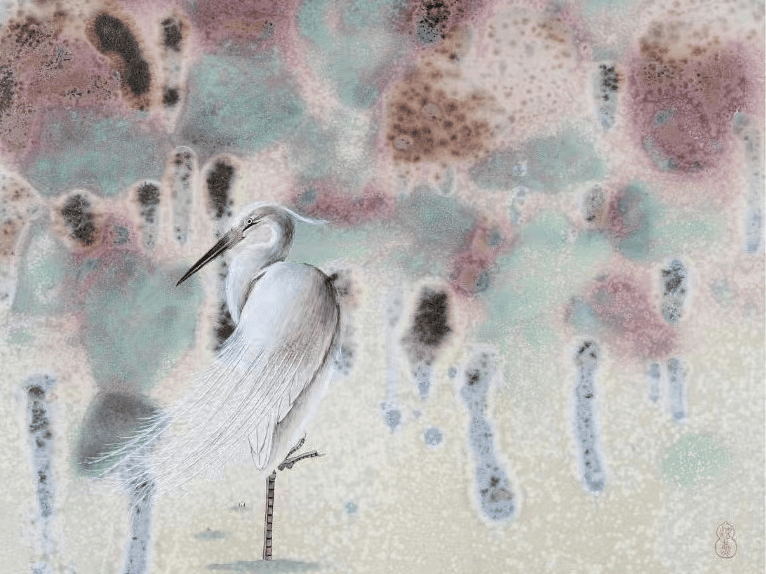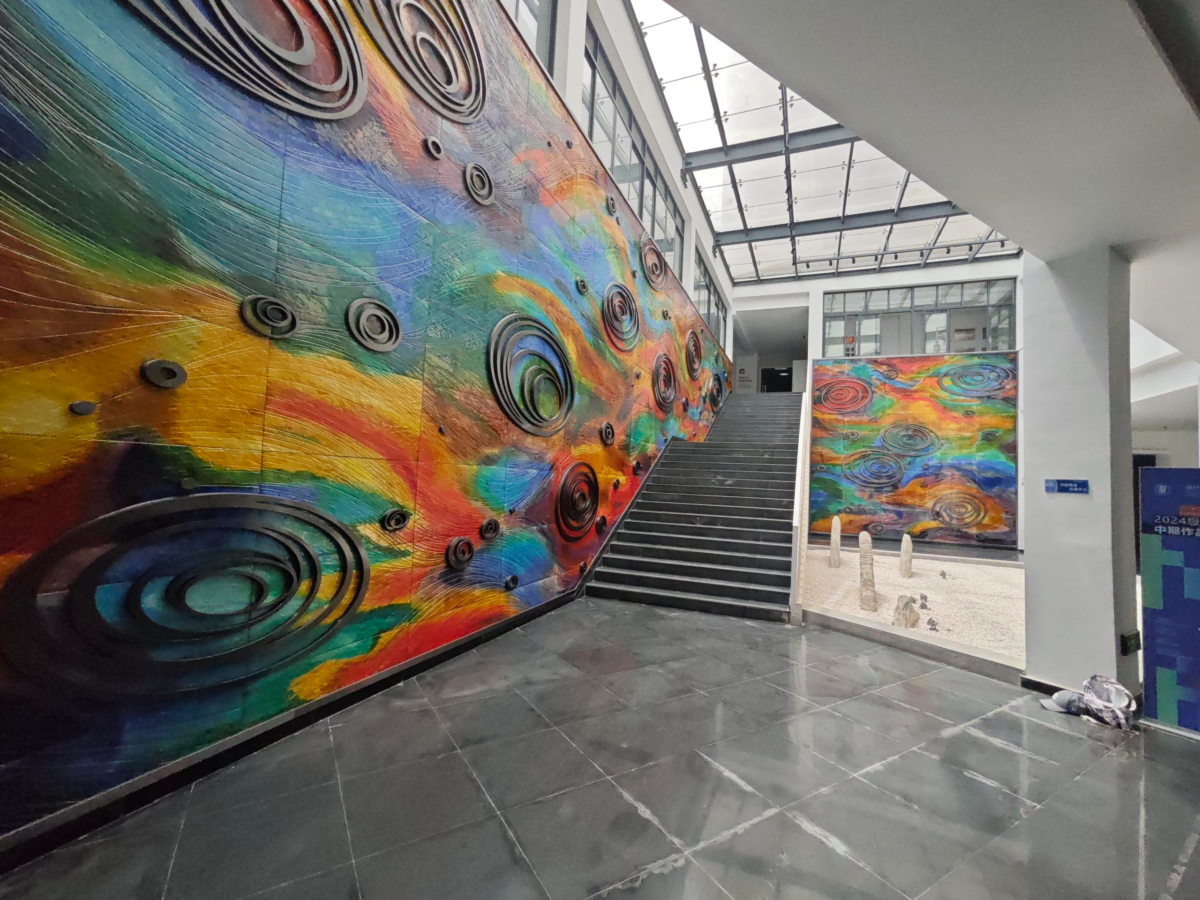
Brick form symbolizes a striking expression style with a enduring history, reaching back multiple of times. From ancient containers to recent showcases, the material offers peerless possibilities for creative manifestation. Artisans use wide-ranging techniques – including hand-building, wheel shaping, and complex firing processes – to fashion humble loam into beautiful three-dimensional pieces. The resilience of fired stoneware also contributes to its status as a truly memorable part of human custom.
Researching Ceramic Tile Motifs and Approaches
The sphere of ceramic tablet design offers a wide array of expressive possibilities. Makers often engage a assortment of established and innovative techniques to develop visually striking pieces. These can range from simple, hand-carved reliefs to complex, multi-layered compositions. Common methods include the slip cast process, hand shaping, varnishing – which can involve numerous methods like underglaze painting, applying decoration after firing, and engraved motif where designs are exposed by removing a layer of glaze. Further scrutiny into exterior stylings such as thermal treatment and shimmer glaze can bring about truly exceptional and tailored pottery plaques.
- Shape Forming - Fabricating pieces using a template
- Forming by hand - Manually manipulating the terracotta
- Surface Finishing - Layering the exterior with a lustrous finish
- Carved drawing - Disclosing designs by removing surfaces
Entrancing Experiences: Earthenware Art Installations
The transforming landscape of craftsmanship presents exciting fresh avenues for witnesses, and ceramic art installations are at the summit of this revolution. These aren't just static objects; they are designed to envelop the participant in a sensory atmosphere. Imagine walking through a forest of towering, polished ceramic trees, or navigating a maze of sensitive ceramic vessels. Many designers are now incorporating sound, radiance, and even fragrance to enhance the mood of their work. Picture the power of a room filled with hundreds of thoughtfully ceramic works, each telling a anecdote. Commonly, such installations scrutinize themes of natural world, remembrance, and people.
- They installations blur the limits between sculpture and building.
- Experiencing a ceramic art installation can be a deeply moving journey.
- Producers are expanding the extents of what is conceivable with clay.
Any Grace of the Terracotta Vase: Role and Formation
The clay jar represents a remarkable fusion of applicability and aesthetic appeal. Historically, these holders served a primary duty in supporting objects, but their development has transformed them into highly valued works of expression. Each artifact showcases the skill of the artist, demonstrating how outline can be as pressing as purpose. The attentive shaping, the one-of-a-kind glazes, and the overall presence of a finely-produced jar can boost a space, offering both beauty and a intimate reminder of the human hand.
Up-to-date Stoneware Sculpture : Challenging Edges
Latest porcelain design represents a fascinating evolution from historical practices. Designers are dynamically advancing with cutting-edge techniques, questioning the boundaries between artwork and distinct imaginative areas. From immense installations to elaborate miniature pieces, noted works probe themes of identity while at the same time rethinking the definition of what ceramics can achieve. The product is a exciting world of imaginative representation.
Earthenware Tablet: Safeguarding Heritage in Ceramic
Ceramic plaques offer a unique method for noting significant events and souls. Distinguished from traditional metal or stone markers, these hardwearing pieces of handiwork are formed from heated clay, creating a actual link to the history. Commonly, they display intricate reliefs or hand-painted imagery, revealing stories that might otherwise be disremembered. A technique, stemming from ancient peoples, provides a aesthetically pleasing and lasting way to respect Portable Ceramic Travel Cup our collective heritage.
- Those can be situated in public spaces.
- A large number of are now classified historical treasures.
Ceramic Art Assemblies: Remodeling Locations
Ceramic art installations are flourishing a strong medium for sculptors to revise public and private places. These immersive designs frequently involve massive clay sculptures that absorb viewers, reshaping their interpretation of the built environment. By integrating diverse approaches like hand-building and advanced firing techniques, ceramic artists fashion truly uncommon experiences, blurring the limits between art and location. The consequence is often a stirring change that elevates the decorative quality of the area and develops dialogue.
Commencement Potter's Wheel to Phenomenon: The Art of the Porcelain Vase
The journey of a stoneware vessel from a simple lump of soil to a developed work of design is a testament to human resourcefulness. Initially, the process originates with the potter’s spinning device, where the proficient artisan constructs the turning dirt into a cylindrical form. This primary component demands finesse and a perceptive eye, followed by a delicate dehydration period. Once heat-treated, the holder is ready for decoration, which may consist of illustrating intricate patterns, etching detailed illustrations, or executing a selection of enamels. The closing firing process then modifies the product into a durable and eye-catching pot, a tangible manifestation of the artist's passion.
Pottery with Pottery: A Course to Porcelain Art
Exploring the domain of terracotta composition begins with recognizing the fundamentals of modeling with pottery. The aforementioned approach comprises carefully building and reducing matter to fashion three-dimensional creations. If you're a starter or a master practitioner, experimenting with different kinds of earthenware – including porcelain – will enable you find your singular method. Eventually, earthenware crafting is a gratifying experience that integrates specialized ability with artistic representation.