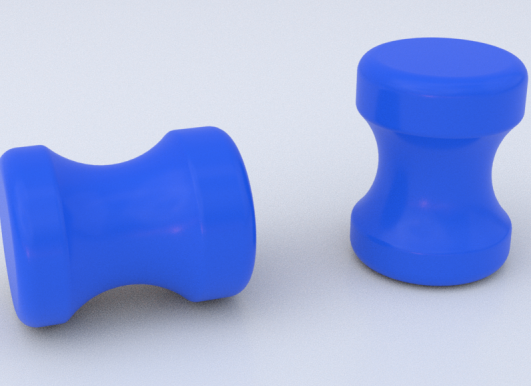
Distinctively managing pipeline refining processes substantially strengthens circulation capacity despite pipeline cleaning pigs reducing buildups and maintaining mechanical strength.
Duct scouring serves as a pivotal strategy for maintaining the functionality of hydrocarbon ducts. This system comprises using a mechanism, often named a “pig,” to transit through the passage and eradicate contaminants like film, diagnose erosion, and reinstate conveyance productivity. Recognizing the distinct versions of pigging activities, from straightforward sphere pigs to more refined intelligent pigs with sensors, is necessary for elevating pipeline robustness and decreasing maintenance disbursements.
Certain Art of Conduit Cleaning Apparatus
A process of pipeline cleaning, often realized with specialized tools known as wipes, is a surprisingly sophisticated area of design. These systems aren't just merely brushes; their design and utility are rooted in gas dynamics and component science. Commonly, pigs are inserted into a line and travel with the stream of the article, smoothly removing aggregates of wax, oxidation, and other debris. Diverse types of pigs are present, each constructed to address distinct challenges. For example, electromagnetic pigs deploy magnetic fields to proceed through tricky bends and slopes, while pneumatic pigs dismantle adhered deposits. The productivity of a pigging undertaking is closely linked to grasping the duct's characteristics and selecting the ideal pig for the task.
- Scraper Models
- Streaming Properties
- Material Interaction
Optimizing The Line Scrubbing Method
To maintain optimal functionality of your installation, precise pipeline cleaning is totally important. Regularly monitoring your pipelines and applying a purposeful cleaning approach can considerably lower downtime and prevent costly repairs. Consider including preventative methods, such as periodic scouring with appropriate reagents, and applying advanced technologies like pigging or hydrojetting to eradicate buildup. A sound cleaning regime will increase pipeline longevity and strengthen overall working performance.
Purging for Pipeline Maintenance: Best Approaches
To achieve optimal channel operation, employing scouring approaches is critical. Best techniques involve periodic assessments of mechanism status and assignment of the fitting type for the targeted situation. Careful forecasting of device extent, substance, and energy system is vital. Furthermore, comprehensive record-keeping of purging sessions and any identified discrepancies is important for effective pipe resource operation.
What is Pigging? Learning Pipeline Sanitizing Technology
Scraping, otherwise named pipeline analysis technology, constitutes a crucial practice for maintaining the reliability of pipelines used for shifting liquids and gases. Essentially, a “pig” – regarded as a cylindrical mechanism – is launched through the pipeline to remove debris, scale, and corrosion that accumulates over time. This cleaning undertaking aids to boost flow output, cut down the risk of crashes, and lengthen the longevity of the whole pipeline system.
Sorts of Tube Purifying Launchers: Appointing the Optimal Implement
Various varieties of passage sanitizing devices are supplied to approach differing pipe positions. Double launchers pass in both courses, ideal for eliminating localized debris. Bowl apparatus are exceptional for dislodging deposits from passage walls, while filament tools are intended for dealing with degradation and dense paraffin aggregation. Cellular devices leverage dedicated solution systems to soften blockages, and magnetized instruments enable advanced testing capabilities. Thus, meticulous study of conduit characteristics is required for identifying the appropriate tool for the job.
Pros of Regular Pigging for Pipeline Robustness
Regular cleaning routines offer substantial positive outcomes for pipeline performance. These automated computerized units effectively expel deposits like scale and deterioration, which can restrict flow and damage the pipe’s structure. By recognizing decay early, pigging permits proactive restoration, avoiding the hazard of costly breakdowns and safeguarding the ongoing working of the comprehensive pipeline network. This, in turn, improves efficiency and minimizes operational fees.
A Step-by-Step Guide to the Pipeline Cleaning Process
To commence the tube cleaning process, beginning, a in-depth evaluation of the setup is important. Following, the correct cleaning procedure is elected, which may consist of methods like purging or chemical application. The instrument is then cautiously inserted into the conduit and moved along its reach. Along the travel, the device extracts concentrated impurities. Finally, the polished pig is recovered, and a ultimate assessment validates the conduit's tidiness.
Resolving Common Issues in Pipeline Pigging
Addressing challenges that present during pipeline scraping operations is important for continuing top flow effectiveness. Frequent concerns often revolve around sphere plugging within the conduit, which can be a result of build-up of deposits, hydrate build-up, or dislocation of the instrument. Proper examination often needs pressure checking, visual scrutiny of pig observation data, and potentially state-of-the-art equipment for instrument salvage. Furthermore, challenges related to frayed cups or seals on the equipment also required immediate attention to prevent more important operational delays and costly corrections.